Breville Barista Express review: the machine that made home espresso normal
The Breville Barista Express (model BES870XL) costs $685.00 and pairs a built in conical burr grinder with a 54 mm portafilter, a manual tamp, and a steam wand you have to learn to use rather than one that runs on its own.
The Breville Barista Express is $685.00 and it earned its reputation by being the first machine at this price to put a real grinder, a real portafilter and a real steam wand in one box without requiring three separate purchases. It is not a fully automatic machine: you dose, you tamp by hand, you texture milk by feel, and the learning curve is real. That learning curve is also the reason people who own one for years still recommend it, because every step you learn on the Barista Express transfers directly to a more expensive commercial style machine later.
What does the built in grinder actually let you control?
The Barista Express doses directly from its hopper into the 54 mm portafilter with a dial that adjusts grind size, and a separate dial that sets dose by time rather than weight out of the factory. The grinder matters more than the machine because the machine can only push water through the bed the grinder produced, and a built in grinder at this price is a real conical burr unit rather than the blade grinder that ruins espresso in cheaper all in one machines. Owner reviews repeatedly mention that the stock dosing dial is a rough starting point and that most owners eventually add a scale like the Timemore Basic 2.0 to dose and time shots by weight instead, since espresso is properly measured by weight in and weight out, not by a timer on the grinder.
| Specification | Value |
|---|---|
| Model | BES870XL |
| Grinder | Built in conical burr |
| Portafilter | 54 mm |
| Tamp | Manual |
| Steam | Manual wand |
| Price | $685.00 |
What does a 1:2 espresso ratio actually look like on this machine?
A typical 1:2 ratio takes an 18 gram dose and yields 36 grams of liquid espresso, usually in 25 to 32 seconds, and the espresso ratio calculator works that yield out for any dose the built in grinder produces. Getting there on the Barista Express means dialing the grind dial finer or coarser until the 36 gram pour lands in that time window, weighing the shot on a scale under the portafilter rather than trusting the built in timer. This is the manual process the fully automatic machines, like the Ninja Luxe Cafe Premier, remove entirely by fixing the grind and the dose internally. The Barista Express trades that convenience for a shot you can actually tune.
How hard is the steam wand to learn, honestly?
The steam wand on the Barista Express is manual: you position the pitcher, control the angle and depth by hand, and judge texture by sound and feel rather than a sensor stopping the machine for you. Milk texturing basics covers the actual technique, but the short version from owner reviews is that the first several pitchers of milk come out either flat or over-aerated, and the skill genuinely takes practice sessions rather than reading about it once. A smaller pitcher like the De'Longhi 12 ounce frothing pitcher is the recommended size for a single drink, because a larger pitcher makes texturing one cappuccino's worth of milk harder to judge, not easier. We have not steamed milk on this specific unit; this is researched from the manual and consistent owner reporting.
Which accessories does the Barista Express actually need on day one?
The machine ships with a tamper, but many owners upgrade to a calibrated tamper once they discover the stock tamper's pressure is inconsistent hand to hand. One caution: the Barista Express uses a 54 mm portafilter, not the 58 mm commercial standard that the Normcore spring loaded tamper is built for, so any tamper upgrade needs to match the 54 mm size specifically, and buyers should confirm the diameter before ordering rather than assuming compatibility. A knock box such as the Breville Knock Box 10 is the other near universal add, since spent pucks otherwise go down a sink drain they will eventually clog.
- A scale that reads to 0.1 gram, like the Timemore Basic 2.0, for weighing dose and yield
- A properly sized tamper matched to the 54 mm portafilter
- A knock box, since pucks should never go down a drain
Who should buy the alternatives instead?
If you would rather not learn manual tamping and steaming at all, buy the Ninja Luxe Cafe Premier instead, which handles grinding and tamping for you and adds drip coffee and rapid cold brew that the Barista Express does not attempt. If you already own a dedicated grinder like the Baratza Encore ESP and want a machine built around a full commercial 58 mm portafilter rather than Breville's 54 mm, the Gaggia Classic Evo Pro at $499.00 is the cheaper, more modifiable path, at the cost of having no grinder included at all. The Barista Express sits between those two: more control than the Ninja, less commitment than building a separate grinder and machine setup from scratch.
Gear that fits these numbers
Everything mentioned on this page
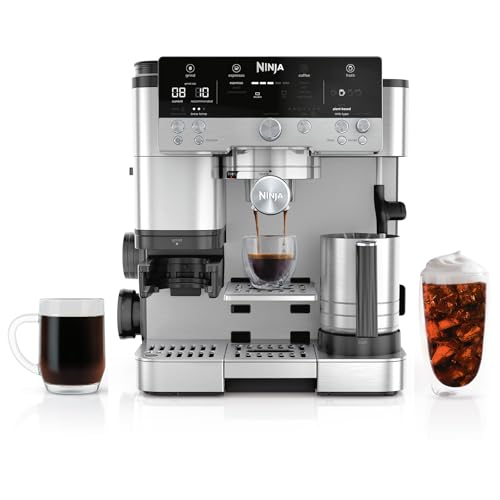
Ninja Luxe Cafe Premier 3-in-1 Espresso Machine
The cheaper Luxe Cafe, and the entry point to a machine that grinds and brews espresso and also makes a pot of coffee.

Gaggia Classic Evo Pro Espresso Machine
A commercial 58 mm portafilter in a home machine, endlessly modifiable, and completely dependent on you owning a real grinder.

Baratza Encore ESP Coffee Grinder
The cheapest grinder that genuinely holds an espresso grind range. Below this, a good machine is fed by a grinder that cannot dial in.

Timemore Coffee Scale Basic 2.0
Brew ratio is a weight ratio, so a 0.1 gram scale with a timer is the cheapest real upgrade to your espresso.

Normcore 58 mm Spring Loaded Tamper
A calibrated tamper removes tamp pressure as a variable, which is worth doing before you start chasing grind settings.

Breville Knock Box 10
Small, dull, and the thing that stops espresso pucks going down a drain they will eventually block.
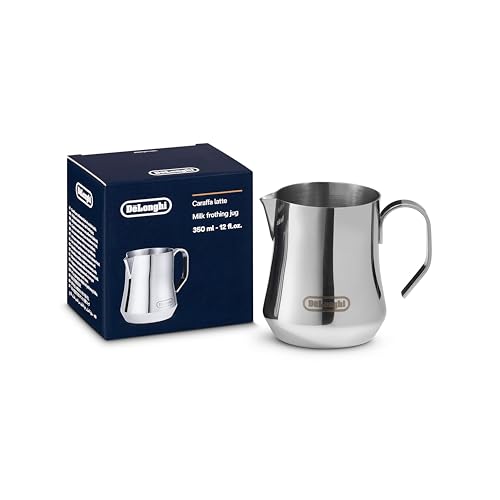
De'Longhi Milk Frothing Pitcher, 12 Ounce
Twelve ounces is the right size for one drink. A larger pitcher makes texturing a single cappuccino harder, not easier.
Prices when last checked. They change often.
Frequently asked questions
Does the Breville Barista Express grind finely enough for a proper espresso shot?
Yes, the built in conical burr grinder is designed specifically for the espresso range this machine needs, unlike a filter grinder such as the standard Baratza Encore, which cannot get fine or consistent enough for espresso. Owner reviews repeatedly mention that the grind dial needs patience to dial in on a new bag of beans, but that once set, shots pull consistently within that bag.
Can I use pre-ground coffee instead of the built in grinder on the Barista Express?
Yes, there is a bypass doser that lets you skip the grinder and dose pre-ground coffee directly into the portafilter, which is useful for decaf or a specialty grind you bought elsewhere. Most owners use the built in grinder for daily use since it is the reason the machine costs what it does.
How is the Barista Express different from the Barista Express Impress?
The Impress version, model BES876BSS at $799.95, adds an assisted lever tamp that applies consistent pressure automatically, removing hand tamping as a variable. The grinder, portafilter size and steam wand are otherwise the same core hardware between the two machines.
What is the actual difference between a 54 mm and a 58 mm portafilter?
The number refers to the diameter of the metal basket that holds the coffee puck. A 58 mm portafilter, the size used on commercial machines and on the Gaggia Classic Evo Pro, holds slightly more coffee per shot and matches the accessory ecosystem built around commercial cafe equipment. A 54 mm portafilter, used on the Barista Express, is not worse for espresso quality, but it limits which third party baskets and tampers fit without an adapter.
Does the Barista Express need to be descaled, and how often?
Yes, any machine heating and pumping water through coffee grounds accumulates mineral scale, and Breville's manual specifies a descaling schedule based on water hardness and usage frequency. Skipping it degrades heating consistency and shot temperature well before a hard failure occurs, so following the published interval matters even when nothing seems wrong yet.
Is the Barista Express a good first espresso machine for someone who has never pulled a shot?
It is one of the most commonly recommended first machines specifically because it puts every real variable, grind, dose, tamp and steam, in front of a beginner rather than hiding them behind automation. That is also the honest caveat: expect a genuine learning curve of several weeks before shots taste the way you expect, which is longer than a fully automatic machine like the Ninja Luxe Cafe Premier requires.
Sources
Published figures, quoted as published. We do not generate our own time and temperature data.
How we research: we compare manufacturer specifications, owner manuals, published USDA and FSIS figures and recurring themes in verified owner reviews. We do not cook test batches or run instruments, and nothing here is professional food safety advice. When a figure is not published by a source we trust, we say so rather than estimate one.