
ThermoWorks
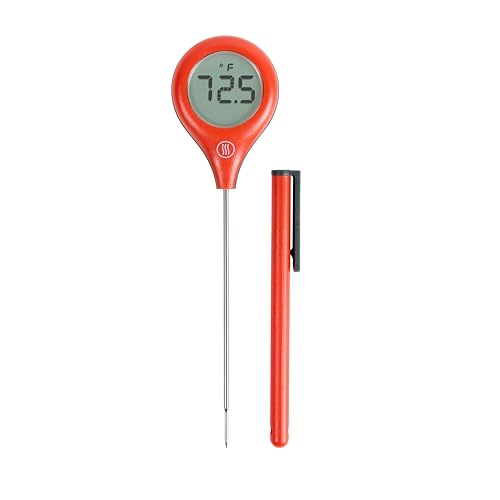
ThermoWorks Thermapen ONE
One second and half a degree. On a page about pasteurization that accuracy is not a luxury, it is the difference between a figure meaning something and not.
At or above the USDA safe minimum internal temperature, 165 F for poultry, 160 F for ground meat, 145 F with a 3 minute rest for whole muscle beef and pork, no additional hold is required once the core reaches it. Below those figures this calculator deliberately returns nothing, because a correct hold time comes from the FSIS Appendix A lethality tables for a specific product and a single number from us would be wrong for somebody.
The formula
if core temperature >= USDA safe minimum for the category: hold = 0 minutes, plus any published rest else: return null, and point at FSIS Appendix A This calculator has no secret table. It quotes published figures and refuses to derive the ones it cannot defend.
Most sous vide charts on the internet reproduce a lethality table from memory or from another blog that did the same. A pasteurization figure that is wrong in the unsafe direction is the one error in this niche that can genuinely hurt someone, so this tool is built to refuse rather than to guess. That refusal is the feature.
Gear that fits these numbers
If the plan depends on a core temperature, the thermometer is the part of the setup that has to be right. A half degree instrument and a circulator rated for continuous running are the two pieces that make a long hold defensible.
One second and half a degree. On a page about pasteurization that accuracy is not a luxury, it is the difference between a figure meaning something and not.

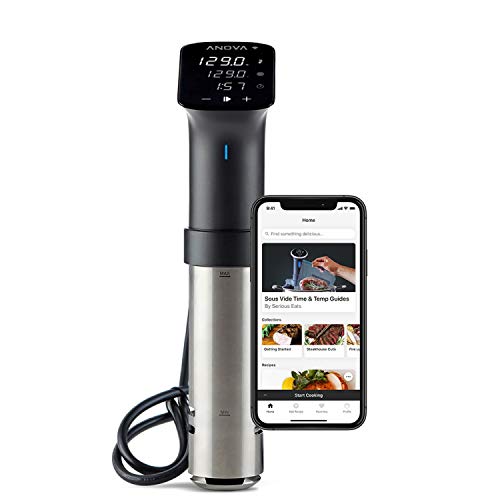
The default full size circulator: enough wattage to bring a 12 quart bath up quickly and hold it, with app control for long overnight cooks.

Four probes means you can watch several cuts in one bath and see the slowest one, which is the one that decides when the cook is safe.
A third of the Thermapen price for most of the useful accuracy. The right pick if you are buying your first real thermometer.
Rated for continuous running rather than occasional dinners, which is what separates it from the consumer models when you cook 48 hour briskets or run a bath every day.

Container, hinged lid, divider rack and insulating sleeve together. The sleeve matters more than it sounds: less heat leaving the walls means the element cycles less and holds tighter.
Prices when last checked. They change often.
Pasteurization is time and temperature together. A food is not made safe by reaching a temperature; it is made safe by spending enough time at that temperature to reduce the pathogen load by the required number of log steps. At 165 F that time is effectively instantaneous, which is why the USDA can publish a single number for poultry. At 140 F it is a long time, and how long depends on the fat content, the salt content and the specific organism.
The USDA FSIS publishes those relationships in the Appendix A compliance guideline. They are lookup tables, not a formula, and they are specific to product categories in ways a general purpose calculator cannot capture. Reproducing a version of them from memory is exactly how wrong numbers spread, so this tool quotes what is published and refuses what is not.
You have two honest options. Cook to the published safe minimum internal temperature, which this calculator will confirm for you and which needs no hold at all. Or go to the FSIS guideline itself, find the table for your actual product, and read the time for your actual temperature. Both are defensible. A number from a blog is not.
Because a defensible answer depends on the fat content, the salt content and the specific product, and the USDA FSIS publishes those relationships as lookup tables rather than a formula. A single number covering all whole muscle beef would be wrong for some of it. The honest output is a pointer to Appendix A and a refusal.
Yes, with the published three minute rest. The USDA revised its guidance so that 145 F followed by a three minute rest delivers equivalent lethality to the older instantaneous 160 F figure. The rest period is part of the standard. Quoting 145 F on its own reports half of a food safety rule.
Longer at an adequate temperature helps. Longer at an inadequate temperature does much less than people assume, and longer in the range between 40 F and 140 F actively makes things worse, because that is where bacteria multiply. Time only substitutes for temperature within the range the lethality tables actually cover.
The USDA defines 40 F to 140 F as the range where bacteria multiply rapidly, and the published limit is two hours total, or one hour above 90 F. That clock runs across the whole life of the food, so a long come-up time in a low temperature bath spends part of your budget before the cook has really started.
A sealed bag is anaerobic, which is the condition Clostridium botulinum prefers, so it removes one of the natural barriers. Refrigerate bags before cooking, do not hold sealed food in the danger zone, and chill anything you are not eating immediately in ice water before refrigerating. Vacuum sealing extends storage life; it does not replace refrigeration.
Published figures, quoted as published. We do not generate our own food safety data.
How this calculator works: it applies the formula above to the numbers you enter. Where a figure is published by the USDA or FSIS we quote it and name the source. Where a figure is derived from a physical model we say so and state the assumptions. Where we have no defensible figure the calculator returns nothing and tells you why, rather than guessing. This is researched general information, not professional food safety advice.