The best espresso machine under $1,000
The Ninja AutoBarista Pro ($949.99) is the best espresso machine under $1,000: full bean-to-cup automation with 13 one-touch drinks. The Breville Barista Pro ($834.00) is the stronger pick under the same budget if you want to learn to pull and texture a shot by hand instead.
The best espresso machine under $1,000 is the AutoBarista Pro at $949.99: full bean-to-cup automation with 13 one-touch drinks, for less than a semi-automatic machine with an equivalent feature set from other brands. If you want to learn to pull and texture a shot by hand instead, the Barista Pro at $834.00 is the stronger pick, and the Gaggia Classic Evo Pro at $499.00 is the cheapest genuine way in if you already own a grinder.
The three tiers
Every roundup here is built as three genuinely different answers rather than one flat ranking, because that is how people actually shop: a first purchase, a considered upgrade, and a ceiling. The expert pick is not the best pick for most readers, and the section below says who should skip it.
Ninja Luxe Cafe Premier 3-in-1 Espresso Machine
The Luxe Cafe Premier grinds and brews espresso, drip coffee and rapid cold brew from one $599.00 machine, which is the least anyone needs to buy or learn to get a real shot at home.
Skip it if: Skip it if what you actually want is a genuine manual steam wand to practice hand-texturing milk on. This one leans toward push-button convenience.
Breville Barista Pro Espresso Machine
The Barista Pro pairs a built-in conical burr grinder with a ThermoJet heater that reaches temperature in about 3 seconds, for $834.00, and it is the most complete all-rounder under this budget.
Skip it if: Skip it if you do not want to tamp by hand and learn to texture milk yourself. The Luxe Premier or the AutoBarista Pro both automate more of that.
Gaggia Classic Evo Pro Espresso Machine
The Gaggia Classic Evo Pro is a commercial 58 mm portafilter machine for $499.00, the cheapest genuine way into serious espresso gear on this page and endlessly modifiable afterward.
Skip it if: Skip it if you do not already own, or plan to buy, a separate grinder like the Encore ESP for $199.95. This machine ships with no grinder at all, and that is not optional.
Gear that fits these numbers
The three picks side by side
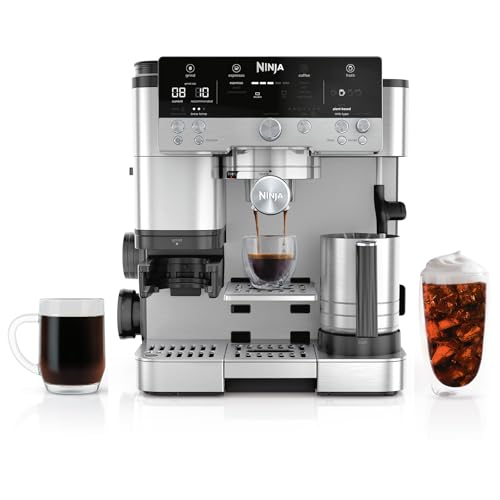
Ninja Luxe Cafe Premier 3-in-1 Espresso Machine
The cheaper Luxe Cafe, and the entry point to a machine that grinds and brews espresso and also makes a pot of coffee.
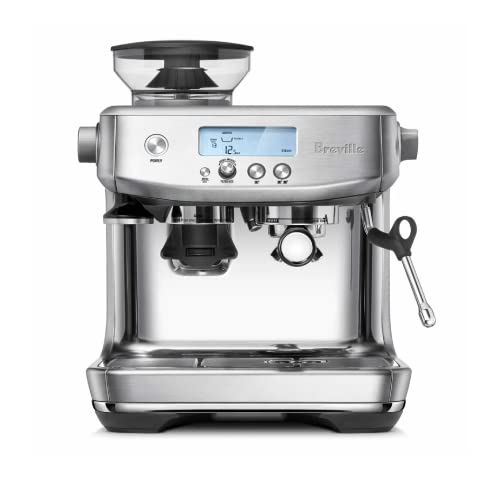
Breville Barista Pro Espresso Machine
The ThermoJet heater reaches brew temperature in about three seconds, which is the real difference from the Barista Express underneath.

Gaggia Classic Evo Pro Espresso Machine
A commercial 58 mm portafilter in a home machine, endlessly modifiable, and completely dependent on you owning a real grinder.
Prices when last checked. They change often.
What eight hundred to a thousand dollars buys you that five hundred does not
At $499.00 the Gaggia Classic Evo Pro gets you a genuine commercial portafilter and pump, with no grinder and no shortcuts. At $834.00 the Barista Pro adds a built-in grinder and a ThermoJet heater that reaches temperature in about 3 seconds instead of a couple of minutes. At $949.99 the AutoBarista Pro removes the manual steps entirely: it grinds, tamps, brews and steams on its own. The jump in price mostly buys convenience and speed, not a fundamentally different shot.
| Model | Price | Grinder | Type |
|---|---|---|---|
| Gaggia Classic Evo Pro | $499.00 | None, buy separately | Manual, commercial portafilter |
| Ninja Luxe Cafe Premier | $599.00 | Built in | Semi automatic, 3 functions |
| Breville Barista Pro | $834.00 | Built in, conical burr | Semi automatic, ThermoJet heat |
| Ninja AutoBarista Pro | $949.99 | Built in | Fully automatic, 13 drinks |
The one machine here that needs a second purchase
The Gaggia Classic Evo Pro is the cheapest machine on this page and also the only one that is not a complete kit. It ships with no grinder, and pre-ground coffee cannot hold the fine, even grind espresso needs, no matter how fresh the bag claims to be. Pairing it with the Encore ESP at $199.95 brings the real total to roughly $700, still under the machines that include a grinder from the factory, but as two separate boxes rather than one, which matters if counter space is already tight. Our espresso grinder picks cover other options at that price, including a couple that grind more consistently than the Encore ESP for a bit more money.
Is it worth spending over the line instead
Nothing here loses to a more expensive machine on shot quality alone. What the Barista Touch Impress adds above $1,000 is a touchscreen interface, an assisted tamp lever, and automatic milk texturing on top of the same basic espresso technology, not stronger coffee. If those specific conveniences matter to you, our full espresso machine roundup covers it and the machines below this budget together.
How the maintenance schedule changes under this budget
Descaling is the recurring maintenance item across every machine here, and none of them get a pass for costing less. The Gaggia Classic Evo Pro is the simplest to keep running long term precisely because it has fewer parts: no built-in grinder to clean, no automatic milk system to flush, just a boiler, a group head and a portafilter that owners have been servicing themselves for years. The Barista Pro adds a conical burr grinder that needs periodic cleaning to stay consistent, and its ThermoJet heating element, while fast, is a sealed unit that is not user-serviceable the way a Gaggia's boiler is.
The AutoBarista Pro carries the most built-in complexity of the three tiers, since it automates dosing, tamping and steaming in one sequence. Recurring owner reviews describe running its cleaning cycle on schedule as the difference between a shot that stays consistent for years and one that drifts noticeably worse after a single year of daily use. None of that complexity shows up in the sticker price, only in how much attention the machine needs after the first few weeks.
How we chose
Prices and specifications came from manufacturer documentation and the live Amazon Creators API catalog, checked to confirm every machine here stays under $1,000 including the grinder pairing suggested for the Gaggia. Recurring owner review themes filled in reliability patterns like grinder retention and steam wand output. No shot was pulled in person for this page. Machines whose price regularly crosses back and forth over the $1,000 line during sales, like the Breville Barista Touch Impress, were left off the tiers here and covered instead on the uncapped roundup, since a firm budget page should not include a pick that might not actually qualify on the day someone reads it and checks the current price.
Gear that fits these numbers
Everything mentioned on this page
Gaggia Classic Evo Pro Espresso Machine
A commercial 58 mm portafilter in a home machine, endlessly modifiable, and completely dependent on you owning a real grinder.
Ninja Luxe Cafe Premier 3-in-1 Espresso Machine
The cheaper Luxe Cafe, and the entry point to a machine that grinds and brews espresso and also makes a pot of coffee.
Breville Barista Pro Espresso Machine
The ThermoJet heater reaches brew temperature in about three seconds, which is the real difference from the Barista Express underneath.

Baratza Encore ESP Coffee Grinder
The cheapest grinder that genuinely holds an espresso grind range. Below this, a good machine is fed by a grinder that cannot dial in.

Breville Barista Touch Impress
Assisted tamping plus automatic milk texturing. Expensive, and the honest question is whether you want to learn espresso or just drink it.

Breville Barista Express Espresso Machine
The machine that made home espresso normal. Built in grinder, manual tamp, and a steam wand you have to learn rather than a button.
Prices when last checked. They change often.
Frequently asked questions
What is the best espresso machine under $1,000 overall?
The AutoBarista Pro at $949.99 for anyone who wants full automation: it grinds, doses, tamps, brews and steams on its own across 13 one-touch drinks, and it still leaves roughly $50 of headroom under the budget cap. For someone who wants to learn manual technique instead, the Barista Pro at $834.00 is the stronger semi-automatic pick at this budget, with real room left over for a bag of good beans.
Does the Gaggia Classic Evo Pro come with a grinder?
No. The Gaggia Classic Evo Pro ships as a bare pump machine with a commercial 58 mm portafilter and nothing to grind beans with at all. A dedicated grinder like the Encore ESP is essentially required; pre-ground coffee will not hold the consistency espresso needs, and skipping the grinder is the most common reason a first shot from this machine disappoints someone expecting cafe results out of the box.
Is the Ninja Luxe Cafe Premier good enough for someone who has never used an espresso machine before?
Yes. The Luxe Cafe Premier grinds and brews espresso, drip coffee and rapid cold brew from a single $599.00 machine, and its guided controls remove most of the early decisions a bare semi-automatic machine leaves up to you, like grind size and tamp pressure. It is a reasonable place to start before moving to a manual machine later, once you already know you want to keep making espresso at home.
What is the real difference between the Barista Pro and the Barista Express under this budget?
The Barista Pro replaces the older Barista Express's thermocoil boiler with a ThermoJet heater that reaches brewing temperature in about 3 seconds, and it typically runs close to $150 more than the Barista Express. Both share a similar built-in conical burr grinder and a manual tamp, so the extra money buys speed and a slightly updated body, not a different grinder or a fundamentally different shot from the two machines side by side.
Should I spend right up to $1,000, or save for something above it?
Only if a touchscreen interface and automatic milk texturing genuinely matter to you enough to justify saving further and waiting longer. The Barista Touch Impress costs well over $1,000 and pulls a shot with the same fundamental technology as the machines on this page; the extra money buys convenience and a nicer interface, not meaningfully stronger or better tasting coffee out of the cup at the end of the day.
How fast does the Breville Barista Pro heat up compared with an older boiler style machine?
About 3 seconds, thanks to its ThermoJet heating element, against roughly a minute or two for a thermocoil boiler machine to reach brewing temperature from cold. That difference matters most for a second or third shot back to back, where a boiler machine needs recovery time and the Barista Pro does not, since the same element reheats almost as fast the second time as it did the first.
Sources
Published figures, quoted as published. We do not generate our own time and temperature data.
How we research: we compare manufacturer specifications, owner manuals, published USDA and FSIS figures and recurring themes in verified owner reviews. We do not cook test batches or run instruments, and nothing here is professional food safety advice. When a figure is not published by a source we trust, we say so rather than estimate one.