Anova Precision Vacuum Sealer Pro review: a wet mode that actually helps
The Anova Precision Vacuum Sealer Pro is an external suction vacuum sealer priced at $100.99 with wet and dry modes and a 19 foot bag roll included, and its wet mode pulls a shorter, gentler vacuum built specifically for lightly marinated sous vide food rather than actual liquids like soup or stock.
The Anova Precision Vacuum Sealer Pro costs $100.99 and is built around the specific problem sous vide cooks run into with a standard external sealer: a marinated steak or a brined cut that would otherwise get pulled into the pump. It is the right sealer for someone who seals meat and vegetables regularly and occasionally marinates something before bagging, but it is not a substitute for a chamber machine once real liquids like soup or stock enter the picture. We have not tested this unit in person; the modes, included bag roll and sealing behavior below come from Anova's published listing and manual, checked against patterns that recur across owner reviews.
What does $100.99 actually include?
The sealer ships with a 19 foot bag roll, which is enough film to seal roughly a dozen quart-sized bags before needing to buy more, and it runs both a wet and a dry mode. Dry mode is the standard full-strength vacuum pull used for meat, vegetables and dry storage. Wet mode shortens the vacuum cycle and reduces suction strength specifically to reduce how much liquid reaches the bag opening before the seal closes, which is the mechanism that lets it handle a marinated cut that a dry-mode-only sealer would choke on.
| Specification | Value |
|---|---|
| Modes | Wet and dry |
| Includes | 19 ft bag roll |
| Type | External suction |
| Price | $100.99 |
What can the wet mode actually handle, and what does it still fail on?
Wet mode is built for food with surface moisture, not standing liquid: a steak marinated in soy sauce and oil, chicken thighs coated in a wet rub, or vegetables with a light brine clinging to them. In those cases the shorter, gentler pull reduces how much liquid the pump ever sees, which cuts down on weak seals and pump fouling significantly compared to running the same food through dry mode. What wet mode does not fix is actual pooled liquid: soup, stock, or a steak sitting in a half inch of marinade rather than lightly coated in it. In that case, liquid is still being pulled toward the bag opening because the pump still draws air through that opening, wet mode or not, and enough volume will eventually reach the pump regardless of how gently it pulls.
- Wet mode: lightly marinated meat, damp vegetables, brined cuts with no standing liquid
- Still a failure case even in wet mode: soup, stock, or any bag with visible pooled liquid at the bottom
- For that failure case, liquids need either a chamber sealer or a frozen block sealed with an external machine instead
Is this sealer's compact size a real tradeoff?
The Sealer Pro sits in the middle of Anova's own two sealer models on capability, above the entry-level Anova Sealer which skips the wet mode and ships with 10 pre-cut bags rather than a full roll. The Pro's slightly larger body accommodates the roll storage and the extra mode circuitry, and it still stores flat in a drawer the way most external sealers do, unlike a chamber machine which typically stays permanently on the counter due to its size and weight.
What bags actually work in the Sealer Pro, and what does not?
Like every external suction sealer, the Sealer Pro requires embossed bags or roll stock with channels running through the film, since those channels are the path the pump uses to pull air out from under the food to the opening. A smooth chamber bag, the kind made for machines like the Avid Armor USV20, has no such channel and will not evacuate at all when clamped into an external sealer, regardless of how long the cycle runs. The included 19 foot roll is embossed film sized for the machine, and once it runs out, matching the bag size to the job rather than always cutting a full-width bag saves noticeably on film cost over months of regular sealing. Pre-cut quart bags are a reasonable next purchase for single portions, since cutting and sealing both ends from a roll wastes several inches of film per bag compared with a bag that only needs one end sealed.
When should you buy the FoodSaver or a chamber sealer instead?
Buy the FoodSaver Compact instead at $69.99 if wet mode is not something you will actually use, since the FoodSaver Compact seals dry food reliably for less money and a smaller footprint, with the honest tradeoff that it struggles with anything wet at all. Buy the FoodSaver with Automatic Bag Detection instead at $184.99 if you seal often enough that guessing between moist and dry settings by hand has become a real annoyance: its automatic detection removes that step, at a price roughly $84.00 above the Sealer Pro. Buy the Avid Armor USV20 chamber sealer instead at $319.00 if sous vide has moved from occasional dinners to a weekly habit that regularly includes soup, stock, or brines, since no external sealer, wet mode or not, evacuates a whole bag of standing liquid the way a chamber machine does.
Does an external sealer like this change anything about food safety?
Yes, in one specific way worth understanding before relying on it. A vacuum sealed bag is an anaerobic environment, meaning the oxygen that keeps most spoilage bacteria in check has been removed, which is a genuine botulism consideration if the food was mishandled before sealing. That risk is identical whether the seal came from this sealer, a cheaper one, or a chamber machine: it depends on how the food was handled and stored, not on which pump pulled the vacuum. Food sealed with the Sealer Pro should still be cooled quickly, kept out of the 40 F to 140 F danger zone for no more than two hours total, and refrigerated or frozen promptly once sealed, exactly as the liquids sealing guide covers in more depth.
How does day-to-day reliability compare with cheaper external sealers?
Owner reviews describe the two-mode design as the feature that most differentiates the Sealer Pro from cheaper single-mode external sealers like the FoodSaver Compact, since a single dry-only mode leaves no adjustment when food has even mild surface moisture. Reported failure points across the external sealer category generally center on the heat strip losing consistency after heavy use and the gasket needing occasional cleaning to keep a full seal, both of which apply to the Sealer Pro the same way they apply to any external sealer regardless of brand. Neither issue is specific to this model, and both are addressed the same way on any external sealer: replacing a worn gasket is typically a low-cost fix rather than a reason to replace the whole unit.
Who should actually buy the Anova Precision Vacuum Sealer Pro?
Someone who seals sous vide food regularly, occasionally marinates a cut before bagging it, and does not routinely seal actual liquids like soup or stock. Pair it with pre-cut quart bags for single portions once the included roll runs out, and reserve a chamber machine purchase for the point where liquids become a weekly rather than occasional part of the job.
Gear that fits these numbers
Everything mentioned on this page
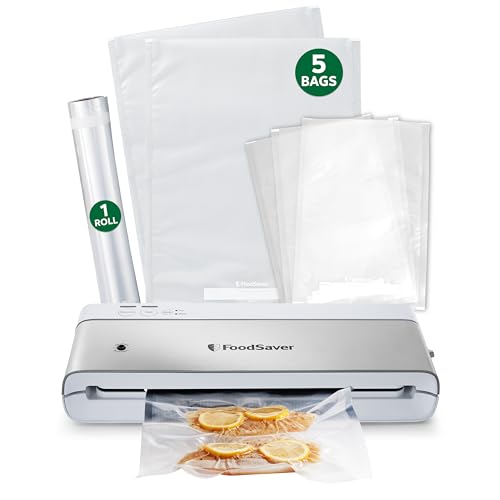
FoodSaver Compact Vacuum Sealer
The entry FoodSaver. It seals a dry bag reliably and struggles with anything wet, which is the honest limit of every cheap external sealer.

FoodSaver Vacuum Sealer with Automatic Bag Detection
The bag detection is the feature that earns its keep in daily use: you stop guessing at moist versus dry settings and stop wasting bags on a failed seal.
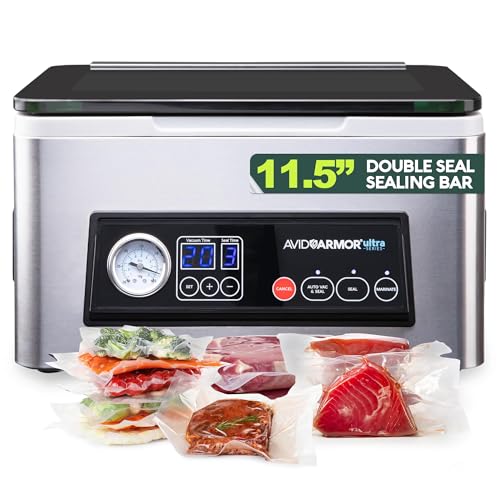
Avid Armor USV20 Chamber Vacuum Sealer
A chamber machine evacuates the whole box rather than sucking through the bag opening, which is the only way to seal soup, brine or a marinating steak without a mess.

Anova Precision Vacuum Sealer
Small, cheap, and enough for anyone sealing a few portions at a time rather than breaking down a whole animal.

Wevac Pre-Cut Vacuum Sealer Bags, Quart, 200 Count
Pre-cut quart bags are the right default for single portions: cutting from a roll costs you a seal at each end and about four inches of film.
Prices when last checked. They change often.
Frequently asked questions
Can the Anova Sealer Pro seal soup or stock in wet mode?
Not reliably. Wet mode reduces suction strength and shortens the vacuum cycle to handle surface moisture on lightly marinated food, but it still pulls air, and any liquid, through the bag opening. Standing liquid like soup or stock will eventually reach the pump regardless of the mode selected, since the fundamental mechanism of an external sealer has not changed, only the intensity of the pull.
How many bags does the included 19 foot roll actually make?
A 19 foot roll produces roughly a dozen quart-sized bags depending on how much film is used per seal, since each bag needs extra length at both ends for the weld itself. Buyers who seal frequently should plan on purchasing additional roll stock or pre-cut bags within the first few weeks of regular use.
What is the actual difference between the Sealer Pro and the base Anova Sealer?
The Sealer Pro adds a wet mode and ships with a 19 foot bag roll, while the base Anova Sealer skips the wet mode entirely and includes only 10 pre-cut bags. The base model costs less and is a smaller unit, making it a reasonable choice for someone sealing dry food occasionally rather than marinated cuts regularly.
Is a vacuum sealed bag from this machine safe to store for a long time?
A vacuum bag removes oxygen, which slows some spoilage but is not a substitute for proper cooling and refrigeration. Food should be cooled quickly, kept out of the 40 F to 140 F danger zone for no more than two hours total, and refrigerated or frozen soon after sealing, regardless of which sealer created the bag or how long the vacuum itself is expected to hold.
Why does liquid ruin a seal even when the amount looks small?
A small amount of liquid reaching the heat-sealing strip during the weld prevents the plastic from fusing cleanly, which produces a seal that looks intact but leaks slowly over weeks in the freezer, a failure known as freezer burn creeping in through the weak point. This is why even wet mode is a mitigation rather than a guarantee against liquid reaching the seal area.
Can I use chamber sealer bags in the Anova Sealer Pro?
No. Chamber bags are smooth because a chamber machine evacuates the whole sealed box rather than pulling air through the bag opening, so they have no embossed channel for a pump to draw through. Loaded into an external sealer like the Sealer Pro, a smooth chamber bag will not evacuate at all, regardless of how long the cycle runs. Only embossed film or bags labeled for external sealers work correctly here.
How often does the gasket on the Sealer Pro need attention?
Like any external sealer, the gasket that presses the bag flat during the seal should be wiped clean after any spill and checked periodically for debris, since a dirty or damaged gasket is a common cause of a weak seal that owners initially mistake for a machine defect. This is routine maintenance shared across nearly every external vacuum sealer, not a quirk specific to this model.
Sources
Published figures, quoted as published. We do not generate our own time and temperature data.
How we research: we compare manufacturer specifications, owner manuals, published USDA and FSIS figures and recurring themes in verified owner reviews. We do not cook test batches or run instruments, and nothing here is professional food safety advice. When a figure is not published by a source we trust, we say so rather than estimate one.