Baratza Encore vs Encore ESP: which grinder to buy
The Baratza Encore costs $149.95 and is a filter grinder: its 40 step range never gets fine or consistent enough for espresso. The Baratza Encore ESP costs $199.95 and uses the same 40 mm conical burr in a grinder calibrated with an actual espresso grind range, which is the entire reason the ESP model exists.
Buy the Baratza Encore ESP at $199.95 if espresso is any part of your plan, full stop. The plain Baratza Encore at $149.95 is an excellent filter and press grinder, but its adjustment range stops well short of fine enough for espresso, and no amount of technique fixes a grinder that cannot hold the setting a shot needs. The $50.00 difference between the two is not a small upgrade: it is the difference between a grinder that can pull a real shot and one that cannot, no matter which espresso machine it feeds.
What is actually different inside the Encore and the Encore ESP?
Both grinders share a 40 mm conical burr set and the same 40 step adjustment collar, and from across the room they look like the same machine in different colors. The difference is in what that collar is calibrated to reach. The plain Encore's 40 steps are spread across a filter and press range, coarse enough for drip coffee and a French press but stopping well before espresso fineness. The Encore ESP's 40 steps are spread across a range that starts around where filter grinding ends and continues into genuine espresso fineness, using an adjustment ring recalibrated specifically for that purpose.
- Baratza Encore: 40 mm conical burr, 40 steps, filter and press range only
- Baratza Encore ESP: same 40 mm conical burr, 40 steps recalibrated into an espresso range
- Neither grinder is stepless, so both move in fixed clicks rather than a continuous adjustment
| Baratza Encore | Baratza Encore ESP | |
|---|---|---|
| Price | $149.95 | $199.95 |
| Burr | 40 mm conical | 40 mm conical |
| Steps | 40, filter range | 40, espresso range |
| Good for | Drip coffee and French press | Espresso and filter |
| Espresso capable | No | Yes |
| Retention between doses | Typical for a hopper grinder | Typical for a hopper grinder |
Why can't the regular Encore just be adjusted finer for espresso?
The adjustment collar physically stops before it reaches espresso fineness, because the plain Encore was calibrated across a filter and press range from the factory. Turning the dial to its finest setting on the standard Encore still lands coarser than the coarsest usable setting on the Encore ESP. This is not a knob you can force further: it is a different calibrated range built into the burr carrier and adjustment ring themselves. Even setting that aside, a grinder built around a filter range is not built to handle the resistance of a dense, fine espresso puck the way the ESP's recalibrated mechanism is, which is why Baratza sells the two as separate models rather than one adjustable one.
Does the Encore ESP still work well for drip coffee and French press?
Yes. The Encore ESP's range covers espresso and filter grinding both, so it does not force you to choose between the two the way owning only the plain Encore does. A household that brews both drip coffee and espresso can run one grinder rather than two, adjusting the same 40 step collar between a coarse setting for the French press and a fine one for the portafilter. The reverse is not true: the plain Encore's range never reaches fine enough for espresso no matter how it is adjusted, which is the entire point being made on this page.
What else do you actually need to dial in espresso with the Encore ESP?
A scale, first. Espresso is measured by weight in and weight out, not volume, because crema volume varies with the bean and tells you nothing about the shot itself. A 1:2 ratio means an 18 gram dose yields 36 grams of liquid espresso, typically in 25 to 32 seconds, and the Timemore Basic 2.0 at $55.00 gives you a 0.1 gram resolution and a built in timer to check both numbers. A calibrated tamper such as Normcore's 58 mm spring loaded tamper at $43.69 removes tamp pressure as a variable so grind setting is the thing you are actually adjusting when a shot runs too fast or too slow.
So which one should you actually buy?
If espresso is any part of your plan, even occasionally, buy the Encore ESP at $199.95. The plain Encore at $149.95 will not get there no matter how carefully you dial it in, and buying it for espresso is the single most common first mistake people make when building a home setup. If you have no interest in espresso at all and only brew drip coffee or a French press, the plain Encore is genuinely excellent and there is no reason to pay $50.00 more for a range you will never use. For anyone whose plans might change, the ESP's added range costs little enough that it is worth buying first.
Gear that fits these numbers
Everything mentioned on this page

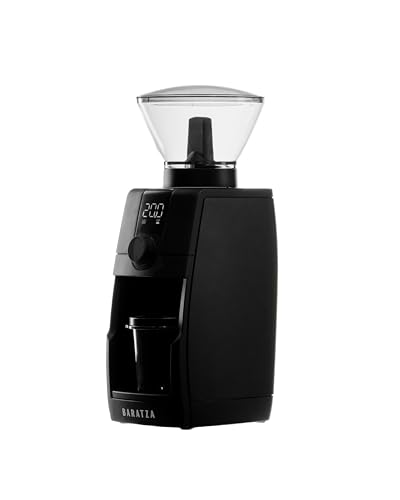
Baratza Encore Coffee Grinder
Excellent for filter and press, and not fine or consistent enough for espresso. The ESP version exists for exactly that reason.
Baratza Encore ESP Pro Coffee Grinder
The Pro version of the ESP, with lower retention, which matters when you change beans often rather than run one bag for a month.

Timemore Coffee Scale Basic 2.0
Brew ratio is a weight ratio, so a 0.1 gram scale with a timer is the cheapest real upgrade to your espresso.

Normcore 58 mm Spring Loaded Tamper
A calibrated tamper removes tamp pressure as a variable, which is worth doing before you start chasing grind settings.
Prices when last checked. They change often.
Frequently asked questions
Can I use the plain Baratza Encore for espresso if I am careful with technique?
No amount of technique compensates for a grinder that physically cannot reach espresso fineness. Espresso needs enough resistance in the puck to build brew pressure over the correct extraction time, and the plain Encore's finest setting produces grounds too coarse for that resistance to build. The shot will run too fast and taste thin regardless of dose, tamp pressure or machine, because the grind itself is the limiting factor.
What is the difference between the Encore ESP and the Encore ESP Pro?
The Encore ESP Pro uses the same espresso calibrated range as the standard Encore ESP but with reduced retention, meaning fewer stray grounds are left behind in the chute between doses. That matters most to someone who changes beans often, since old retained grounds mixing into a new bag affect flavor. Someone who runs one bag of beans for weeks at a time will notice little practical difference between the two.
Does the Encore ESP work for pour over and French press too?
Yes. Its adjustment range starts in filter territory before moving into espresso fineness, so the same grinder handles both without needing a second machine. This versatility is one of the main reasons to buy the ESP over the plain Encore even in a household that grinds more filter coffee than espresso, since the extra range costs nothing once the shot itself is not needed.
How much retention does the Encore ESP have between doses?
Like most hopper fed grinders, the Encore ESP retains a small amount of ground coffee in its chute and burr chamber between doses, typically a gram or two. This is not unique to Baratza and is common to any grinder that is not built specifically for single dosing, such as the DF64 II. For most home users brewing the same beans across a week, this amount of retention is not noticeable in the cup.
Is $50.00 really worth it for the ESP over the standard Encore?
If there is any chance you will make espresso, yes, because the plain Encore's range simply does not reach fine enough regardless of price paid elsewhere in the setup. If espresso is genuinely off the table for your kitchen, the $50.00 buys a range you will never use, and the standard Encore is the better value at $149.95.
What is single dosing and does the Encore ESP support it?
Single dosing means weighing in exactly the amount of beans you plan to grind for one brew, rather than filling a hopper that sits partly full between uses. The Encore ESP is built around a hopper rather than single dosing, so beans can sit loaded for convenience, though many owners weigh a dose into the hopper anyway for consistency. A grinder like the DF64 II is purpose built for single dosing if that workflow matters to you.
Sources
Published figures, quoted as published. We do not generate our own time and temperature data.
How we research: we compare manufacturer specifications, owner manuals, published USDA and FSIS figures and recurring themes in verified owner reviews. We do not cook test batches or run instruments, and nothing here is professional food safety advice. When a figure is not published by a source we trust, we say so rather than estimate one.