Sous vide for beginners: how it works and what to buy first
Sous vide means sealing food in a bag and holding it in a water bath at the exact temperature you want the center to reach, commonly 125 F to 185 F depending on the food, and a 1 inch thick steak takes roughly 1 hour for the center to get there. That is a come-up time, not a safety guarantee: you still need to check the USDA published safe minimum internal temperature for whatever you are cooking before you decide how long to hold it.
Sous vide is a water bath held at a set temperature by a circulator, with food sealed in a bag so the water never touches it directly. The appeal is precision: a steak held at 131 F comes out 131 F edge to edge, not gray around a pink center, because the water can never overshoot the way a pan or an oven does. Getting started needs four things and not much money: a circulator such as the Anova Nano at $68.00, a container to put it in, a way to seal food, and an instant read thermometer to check your work. Everything past that, chamber sealers, bigger circulators, precise doneness charts, is an upgrade you can make later once you know you actually use the thing.
What actually happens to the food in the bag?
A circulator such as the Anova Nano or the Anova Precision Cooker 3.0 is a small pump and heater clipped to the side of a container. It pulls water in, warms it, and pushes it back out in a steady current, which is what keeps the entire bath within a fraction of a degree of the number you set rather than hot near the heating element and cooler at the edges. The food itself sits sealed in a bag so it never touches the water directly: heat moves from the water, through the bag wall, into the food by conduction, the same way heat moves through a metal pan. Sealing also matters for a second reason: a bag with air in it floats, and a floating bag has a pocket of air pressed against part of the food. Air is a poor conductor of heat compared to water, so that part of the food heats far slower and can sit well under bath temperature for the whole cook. The sous vide time calculator exists because this come-up period is worth knowing before you plan dinner around it, not after.
What do you actually need to start, beyond the circulator?
A circulator alone does nothing without something to hold water in and something to keep the food dry inside it. Here is the minimum kit, priced from what each part actually costs new, not the deluxe version of each.
- A container with a lid: any tall pot works for one dinner, but the EVERIE 12 quart container with a hinged lid stops the evaporation that drops your water line and can trip a low water alarm on a long cook
- A way to seal food: either a suction sealer like the compact Anova Sealer, or reusable silicone bags like Platinum Pure reusable sous vide bags closed by water displacement, covered in full in our guide to sous vide without a vacuum sealer
- An instant read thermometer: not to run the cook, the circulator does that, but to confirm the food actually reached the temperature you think it did before you rely on it, something like the ThermoPop 2
- Sinking weights if your bags float: a set of sous vide magnets costs under twenty dollars and solves the exact problem described above
| Item | Pick | Price |
|---|---|---|
| Circulator | Anova Nano | $68.00 |
| Container with lid | EVERIE 12 qt container | $35.00 |
| Sealing, no pump needed | Platinum reusable sous vide bags | $19.99 |
| Instant read thermometer | ThermoPop 2 | $47.00 |
How do I choose a temperature and a time?
Every protein has both a texture range, which is a preference, and a USDA published safe minimum internal temperature, which is not. A medium rare steak sits around 129 F to 134 F at the core, purely a matter of taste. Poultry has a published safe minimum of 165 F, ground meat 160 F, whole muscle beef, pork, lamb and veal 145 F with a 3 minute rest as part of the published rule rather than an optional step, fish 145 F, and egg dishes 160 F. Reach one of those temperatures and the rule is satisfied the moment you get there, rest included where the rule calls for one. Cook below that temperature on purpose, which is common in sous vide for texture reasons, and the safety question becomes about hold time rather than a single number, which is the entire subject of our pasteurization guide. The sous vide temperature calculator and the doneness pages such as beef medium rare lay out the texture side once you already know which safety category you are in.
Is it actually safe to hold food at 130 F for hours?
The published danger zone for food safety generally is 40 F to 140 F, with a two hour total limit in that range and a one hour limit above 90 F specifically, and that clock runs across the entire life of the food, not just the time it spends in your bath. Sous vide deliberately holds food inside part of that range for hours at a stretch, which sounds like it breaks the rule until you understand that the rule exists to describe food sitting at an uncontrolled ambient temperature, not food held at a single, known, verified temperature long enough to reach the pasteurization point for that specific temperature. That distinction only holds if the temperature and the time are actually matched to each other, which is why we will not hand you a hold time for a temperature below the USDA published minimum without pointing you at the source those numbers come from. If any of that feels uncertain, the simplest fix is to cook to the published USDA minimum for your protein, where the rule is satisfied the moment the core gets there and there is no hold time question left to answer. Our full safety rules guide covers the rest, including why a sealed bag needs to be chilled quickly if you are not eating right away.
Do I need a vacuum sealer on day one?
No. A zip top bag lowered slowly into the water, sealed at the last corner once the water pressure has pushed the air out, works fine for a short cook like a single steak or a batch of vegetables. It is not the right call for a cook that runs many hours, because that time is exactly when a poor seal or a slow leak matters, and it is not the right call for anything you plan to freeze, since air left in the bag is what causes freezer burn. The full method walks through water displacement step by step, including where it stops being the right tool for the job.
What should you actually cook first?
Start with something forgiving and well documented. A ribeye or a boneless chicken breast are both good first cooks because thickness, not weight, is what actually decides the time, a point covered fully in why thickness sets sous vide time, and both have dedicated pages: ribeye steak sous vide time and chicken breast sous vide time. Sous vide alone leaves the surface pale and unbrowned, so plan on a short, hot finish afterward, covered in our finishing and searing guide, before you decide whether the whole exercise was worth it.
Gear that fits these numbers
Everything mentioned on this page

Anova Precision Cooker 3.0
The default full size circulator: enough wattage to bring a 12 quart bath up quickly and hold it, with app control for long overnight cooks.

EVERIE 12 Quart Sous Vide Container with Hinged Lid
A lid cut for a circulator is the single upgrade that makes long cooks practical: it stops evaporation, which is what drops the water line and trips a low water alarm at hour nine.

Anova Precision Vacuum Sealer
Small, cheap, and enough for anyone sealing a few portions at a time rather than breaking down a whole animal.
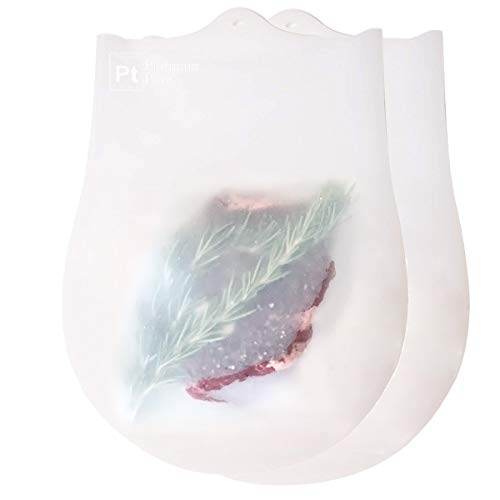
Platinum Pure Reusable Sous Vide Bags, 2 Pack
For water displacement cooking without a sealer at all. Fine for short cooks and vegetables, not the right call for a long anaerobic cook where you want a proper vacuum.
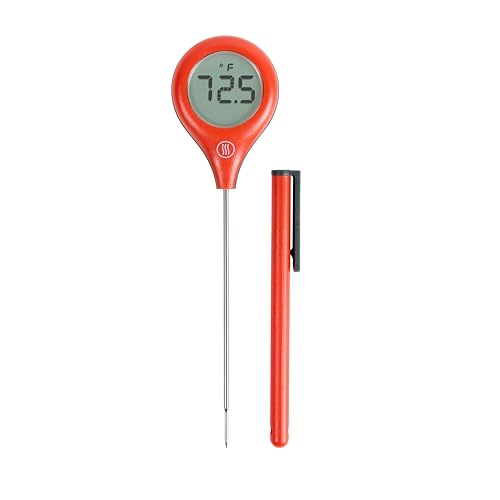
ThermoWorks ThermoPop 2
A third of the Thermapen price for most of the useful accuracy. The right pick if you are buying your first real thermometer.

TonGass Sous Vide Weight Magnets, 8 Pack
A bag that floats has an air pocket, and an air pocket is an insulated spot where the food never reaches the bath temperature. Magnets fix that for under twenty dollars.
Prices when last checked. They change often.
Frequently asked questions
Do I need an app-connected circulator to get started?
No. An app adds convenience for checking a long cook remotely, nothing more, because the circulator holds temperature the same way with or without a phone connected. A dial-only unit like the Wancle skips the account and the app entirely and holds a set point just as precisely. Buy an app-connected model if remote monitoring genuinely matters to your routine, and skip it without losing any cooking accuracy if it does not.
How long can food safely sit in the bath after the timer goes off?
Once the core has reached your target temperature and satisfied the safety rule for that protein, the main risk becomes texture, not safety, since the bath is holding a steady known temperature rather than an uncontrolled one. If the bath temperature is below the USDA published minimum for your protein, treat the danger zone clock as running from when the food left refrigeration, and do not extend a cook indefinitely on the assumption that a held temperature alone makes time irrelevant.
What is the difference between a doneness temperature and a pasteurization temperature?
A doneness temperature describes texture: how pink, how firm, how the food feels in the mouth. A pasteurization temperature describes food safety, and it is never a temperature alone, it is a temperature held for a specific length of time long enough to reduce harmful bacteria to a safe level. Two proteins can share the same doneness temperature and need completely different hold times to be pasteurized at it, which is why we treat these as two separate questions rather than one number.
Can I sous vide food straight from frozen?
Yes, but the come-up time is much longer, since the water has to first bring the food up through 32 F before it starts approaching bath temperature at all, and a thick frozen cut can take two to three times as long as the same cut from a refrigerator start. Add substantial margin, verify with a thermometer rather than trusting a fixed number, and expect an uneven result on anything thick enough that the outside pasteurizes well before the center catches up.
What do I do if my sealed bag keeps floating to the surface?
A floating bag has trapped air in it, and that air pocket sits at bath temperature far more slowly than the water around it does, which means part of the food genuinely never reaches your target. Sous vide magnets or a simple weight on top of the bag solve this for a few dollars, and a rack such as the EVERIE divider rack keeps multiple bags from floating into each other and blocking water flow between them.
Is a $68 circulator actually as accurate as a $200 one?
For holding a set temperature, yes: the sensor and the control loop that keep a bath within a fraction of a degree are similar across the Anova line regardless of price. What the more expensive models add is wattage, which shortens how long the bath takes to first reach temperature, and build features like continuous duty ratings for daily commercial use. For occasional home cooking, the cheaper unit reaches the same held temperature, just a little more slowly at the start.
Sources
Published figures, quoted as published. We do not generate our own time and temperature data.
How we research: we compare manufacturer specifications, owner manuals, published USDA and FSIS figures and recurring themes in verified owner reviews. We do not cook test batches or run instruments, and nothing here is professional food safety advice. When a figure is not published by a source we trust, we say so rather than estimate one.