Sous vide finishing and searing: cast iron, broiler and torch
A sous vide steak comes out of the bag pale and unbrowned because the bath never gets hot enough for the Maillard reaction, so it needs a sear of roughly 30 to 45 seconds per side in a screaming hot cast iron pan, or 1 to 2 minutes under a broiler, to build a crust without pushing the already-cooked core past its target temperature. Pat the surface completely dry first, since any surface moisture turns the first several seconds of contact into steaming rather than browning.
Food that comes out of a sous vide bag is fully cooked at the core and completely pale on the outside, because the bath temperature that makes sous vide precise is far below the temperature needed for browning. Fixing that pale surface is the entire job of finishing, and indoors that means one of three tools: a cast iron pan run hot on the stove or an induction cooktop like the Duxtop 9600LS, a broiler, or a handheld torch. All three exist to do one thing fast: brown the surface before the residual heat from that browning has time to travel into the center and overcook meat that was already exactly where you wanted it.
Why does sous vide food need a separate finishing step at all?
Browning, the Maillard reaction, needs surface temperatures well above 300 F to happen at any real speed, and a sous vide bath rarely runs anywhere close to that, since bath temperatures for meat mostly sit between about 125 F and 160 F. That is the whole point of the bath: hold the core at a texture temperature without ever risking overcooking it. It also means the surface of the food never browns on its own, no matter how long it sits in the water, because the water itself never gets hot enough to brown anything. A finish is not optional if you want the flavor and appearance of a normal cooked steak or chop; it is a second, deliberately fast cooking step layered on top of a first, deliberately slow one.
How do I sear in a cast iron pan without overcooking the inside?
Speed and heat are the whole strategy. Pat the food completely dry with paper towels first, since any surface water absorbs heat as steam before the pan can start browning anything, which is the most common reason a home sear comes out gray instead of crusted. Get the pan smoking hot before the food goes in, add a high smoke point oil, and sear for roughly 30 to 45 seconds per side, flipping as needed to build color on every face without settling into one spot long enough for heat to soak inward. A stovetop or an induction cooktop like the Duxtop 9100MC both work for this; induction has the advantage of reaching full heat and recovering it between flips faster than most stovetop burners, since the surface itself is not what is heating the pan.
| Method | Typical time | Best for |
|---|---|---|
| Cast iron pan, very hot | 30 to 45 sec per side | Steaks, chops, most whole muscle cuts |
| Broiler, top rack | 1 to 2 min per side | Larger or irregular cuts, thicker roasts |
| Handheld torch | 30 to 90 sec total | Precise, small-area finishing, delicate proteins |
How does a broiler finish compare to a pan?
A broiler applies intense radiant heat from above rather than direct contact heat from below, which makes it a better fit for a larger or oddly shaped piece of food than a pan can conveniently sear evenly, a whole tenderloin roast for example. Set the food on the top rack, as close to the element as the oven allows, and watch it directly rather than timing it blind, since broiler intensity varies enough between ovens that a fixed time is unreliable. Expect roughly 1 to 2 minutes per side for most cuts, checking color rather than relying on the clock. A broiler finish tends to be less aggressive than a screaming hot pan, so it is a reasonable choice for a food that would break or fall apart under direct contact with a hot surface.
When does a torch make more sense than a pan or broiler?
A torch puts direct, controllable flame exactly where you want browning and nowhere else, which is useful on food where an even pan sear is hard to achieve, an irregularly shaped roast, the edges of a thick cut, or a delicate protein you do not want to move around in hot fat. It also skips heating an entire pan or oven for a small amount of food. The tradeoff is coverage: a torch browns a smaller area at a time than a pan does, so a large steak takes longer under a torch to get the same total crust, and there is more technique involved in keeping the flame moving to avoid scorching one spot while another stays pale.
Does the sear ever push the core temperature past what the bath set?
A little, at the very surface, and normally not enough to matter if the sear is genuinely fast. The heat from a 30 to 45 second pan sear or a short torch pass has very little time to travel inward before the food comes off the heat, so the effect is mostly limited to the outer few millimeters rather than the core. A longer, gentler finish, several minutes under a moderate broiler for example, has more time to let heat migrate inward and can meaningfully raise the temperature of meat near the surface above the bath target. Checking with an instant read thermometer like the Thermapen ONE immediately after the sear is the only way to know for certain rather than guessing, especially on a thinner cut where the margin between correctly seared and overcooked is small.
Is this the same as finishing food on a grill?
No, and that is deliberate. This guide covers indoor finishing only, a cast iron pan, a broiler or a torch, because that is what this site covers. If you are finishing a sous vide cook on an outdoor grill or want the smoke flavor that comes with one, that is a different technique with its own timing and fire management, and SmokerCalc covers that ground rather than this site. Everything above assumes a kitchen, not a patio.
Gear that fits these numbers
Everything mentioned on this page
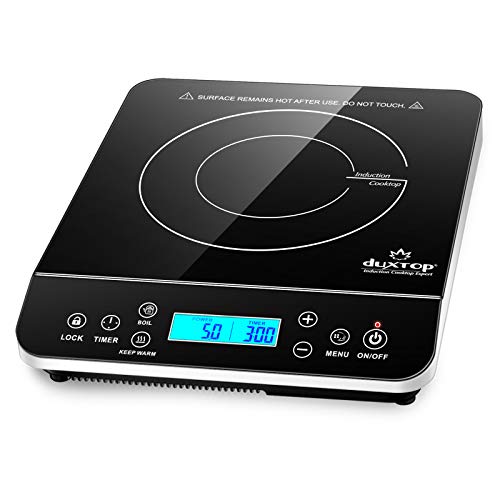
Duxtop Portable Induction Cooktop 9600LS
Twenty steps rather than the usual ten, which is what makes it usable for holding a temperature rather than just boiling.
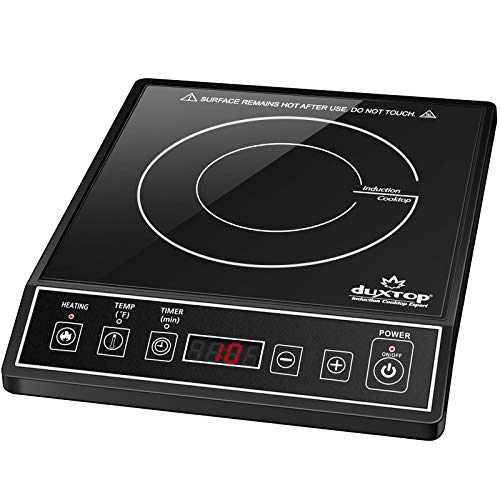
Duxtop Portable Induction Cooktop 9100MC
The cheap workhorse. Good for boiling and searing, coarse for anything that needs a held temperature.
Prices when last checked. They change often.
Frequently asked questions
Why does my sear come out gray instead of brown?
The most common cause is surface moisture. A wet or even lightly damp surface absorbs the pan's heat as steam for the first several seconds of contact, and that steaming has to finish before actual browning can start, by which point the fast sear window has often already passed. Pat the food thoroughly dry with paper towels right before it hits the pan, and consider leaving it uncovered in the refrigerator for a short time first if the surface came out of the bag especially wet.
Should I sear before or after the sous vide bath?
After, almost always. Searing after the bath means the fast, hot finish happens right before serving, when the crust is freshest and the core is already exactly at your target temperature. Searing before the bath, sometimes done to render fat on something like a duck breast, adds flavor compounds to the bag but still typically benefits from a short second sear after the bath to refresh the crust that the bath's moisture will have softened.
Do I need to rest the food after searing the way I would after a normal pan cook?
Not for the reason you rest a conventionally cooked steak. A sous vide steak has already equalized to a uniform temperature throughout during the bath, so there is no large temperature gradient between a hot exterior and a cooler interior that needs time to even out. A brief rest of a minute or two still helps the crust set and juices settle slightly, but it is a much smaller concern than after a long stovetop or oven cook.
Can I use a nonstick pan instead of cast iron for the sear?
You can, but it will not brown as aggressively, since nonstick coatings are generally rated for lower maximum temperatures than bare cast iron or carbon steel, and manufacturers specifically warn against the very high heat a fast sear wants. A well seasoned cast iron pan or a stainless pan tolerates the higher heat a hard sear needs without damage, which is why they are the standard recommendation for finishing sous vide food.
What oil should I use for a hot cast iron sear?
Choose an oil with a high smoke point, since the pan needs to be hot enough that a lower smoke point oil like butter or extra virgin olive oil would burn and turn bitter before the sear finishes. Refined avocado oil, grapeseed oil and plain vegetable oil all tolerate the heat a fast sear needs. Butter can still be added toward the end of the sear for flavor, once the initial high heat crust has already formed.
Is a torch safe to use directly on food indoors?
A culinary torch designed for kitchen use is safe for direct food contact when used as directed, kept moving steadily rather than held in one spot, and used with reasonable ventilation the way you would use a stovetop burner. Keep the flame moving, keep flammable items like paper towels and loose sleeves well clear, and treat it with the same care you would any open flame in a kitchen.
Sources
Published figures, quoted as published. We do not generate our own time and temperature data.
How we research: we compare manufacturer specifications, owner manuals, published USDA and FSIS figures and recurring themes in verified owner reviews. We do not cook test batches or run instruments, and nothing here is professional food safety advice. When a figure is not published by a source we trust, we say so rather than estimate one.