What ice cream overrun is, and why a Ninja Creami pint is denser
Commercial ice cream can be close to half air by volume from overrun, the air whipped in while a traditional machine freezes the base and stirs it at the same time. A Ninja Creami does not churn: it freezes a pint solid for 24 hours and shaves the block with a blade, so the same base comes out denser, not worse, with far less air worked in.
Overrun is the percentage increase in volume that whipping air into an ice cream base creates while it freezes, and it is the reason two pints made from the same recipe can feel completely different in the mouth. A traditional churn such as the Cuisinart ICE-30 stirs the base constantly while a frozen bowl pulls heat out of it, and that stirring beats air into the mix at the same time the fat and water are freezing around it. A Ninja CREAMi skips that step entirely: the base freezes solid and still inside its own pint for a full 24 hours, then a blade shaves the frozen block into a soft finished texture without ever stirring a liquid base. Less air worked in means a denser pint at the same recipe, and denser is a description, not a verdict.
What is overrun, and how is it actually measured?
Overrun is calculated as the percentage increase in volume between the liquid base going into a machine and the frozen product coming out of it. A gallon of base that comes out as a gallon and a half of finished ice cream has 50 percent overrun, and that number is not cosmetic: air is a genuine ingredient, and commercial ice cream can run close to half air by volume for exactly that reason. Manufacturers whip that much air in on purpose, since air is free, air makes a pint scoop easier straight out of a hard freezer, and air makes a lighter product that feels less rich than an equally fatty base carrying less overrun.
- Low overrun, roughly 20 to 30 percent: dense, rich, closer to gelato in mouthfeel
- Moderate overrun, roughly 30 to 40 percent: the typical result from a home churn like the Cuisinart ICE-30 or the Whynter ICM-128
- High overrun, approaching 50 percent: typical of economy commercial ice cream and soft serve, where volume and shelf stability matter more than density
| Overrun level | Typical source | What it feels like |
|---|---|---|
| Near 0 percent | A Ninja CREAMi pint straight off the shave cycle | Dense, closer to a frozen custard than a churned ice cream |
| 20 to 30 percent | A compressor churn like the Whynter ICM-128 or the Whynter 2.1 qt | Rich and scoopable, the usual home made result |
| 30 to 40 percent | A frozen bowl churn like the Cuisinart ICE-30 | Light and airy, similar to a well known supermarket pint |
| Approaching 50 percent | Economy commercial ice cream and soft serve | Very light, sometimes described as fluffy rather than creamy |
Why doesn't a Ninja Creami whip in the same air?
A Ninja CREAMi never touches the base while it is liquid. The pint goes into the freezer solid and stays there for 24 hours, and only then does the machine's blade cut down through the frozen block in thin passes, breaking it into the soft, scoopable texture you actually eat. There is no paddle stirring air into a half frozen liquid, because by the time the blade ever runs, there is no liquid left to stir. That is the entire mechanical reason a CREAMi XL Deluxe produces less overrun than a frozen bowl churn or a compressor machine on the identical recipe: it is not whipping air in while freezing, it is cutting a texture into something that already finished freezing.
Running the re-spin cycle a second time does incorporate a small amount of additional air as the blade passes through the block again, which is part of why a re-spin softens a pint that came out too icy on the first pass. That is still a fraction of what a stirring paddle adds over a 20 to 40 minute churn, so even a re-spun pint stays denser than the same base run through a traditional machine.
Is a denser pint worse than an airy one?
Density is a texture property, not a quality score. A dense pint delivers more actual ice cream per spoonful because there is less air taking up space between bites, which is why a shaved pint can taste richer than a churned pint made from the identical recipe: you are simply eating more base per mouthful. An airy, higher overrun pint scoops easier straight from a hard freezer and feels lighter, which is exactly the effect commercial brands are chasing when they push overrun toward 50 percent. Neither direction is a mistake. The cost per serving calculator makes the tradeoff concrete: a dense, low overrun pint uses the same base weight to make fewer, richer servings, while a high overrun pint stretches the same ingredient cost across more, lighter servings.
Does the base recipe need to change for a machine that adds no overrun?
Total solids decide whether a base freezes smooth at all, and that rule holds regardless of how much air ends up in the finished product. A balanced base runs close to 16 percent fat and 16 percent sugar by weight, with roughly 10 percent milk solids not fat on top of that, for about 42 percent total solids overall. The ice cream base calculator runs that math against your own batch size. Drop total solids below about 32 percent, whether by cutting fat, cutting sugar, or diluting with too much fruit puree, and the base freezes icy and crumbly no matter which machine processes it. Overrun and total solids are two separate variables: total solids decide whether the base freezes smooth, and the machine decides how much air rides along for the ride.
Can you get more overrun out of a Ninja Creami on purpose?
Not by much, and that is the honest limit of the machine rather than a flaw in how you are using it. The mix-in and re-spin programs on a Ninja CREAMi fold air in as the blade passes through a second or third time, which is enough to rescue an icy pint but nowhere near the 30 to 40 percent overrun a real churn builds over 20 minutes of continuous stirring. The CREAMi Scoop and Swirl is the one model in the lineup built around a genuinely different mechanism: rather than only shaving a solid block, it can dispense soft serve directly, which behaves and incorporates air more like a traditional soft serve machine. If a lighter, more churned texture matters more to you than the convenience of a 24 hour freeze and shave, the Whynter ICM-128 or the Whynter 2.1 qt will get you there without waiting a day between batches.
Gear that fits these numbers
Everything mentioned on this page

Cuisinart ICE-30BCP1 Ice Cream Maker, 2 Quart
A true churner: it aerates as it freezes, which gives a lighter texture than the CREAMi, at the cost of a bowl that lives in your freezer.

Whynter Ice Cream Maker with Compressor, 1.28 Quart
A compressor machine needs no pre-frozen bowl, so you can make a second batch immediately. That is the entire argument, and it is a good one.

Whynter Ice Cream Maker with Compressor, 2.1 Quart
The two quart compressor machine, which is where home ice cream starts behaving like a small gelateria.

Ninja CREAMi XL Deluxe 11-in-1
XL tubs hold 24 ounces against the standard 16, which is the difference between one dessert and four.
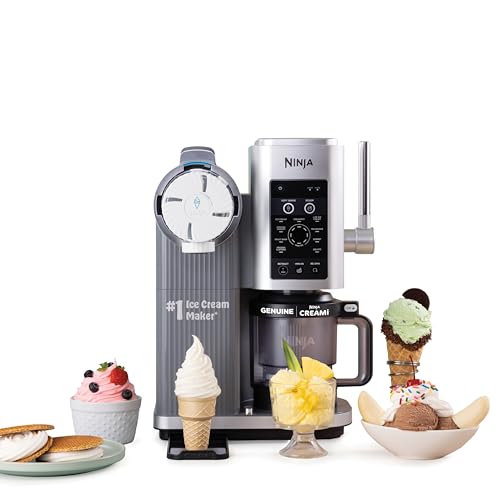
Ninja CREAMi Scoop and Swirl 13-in-1
The top of the line: it dispenses soft serve as well as processing a hard pint, which is a genuinely different machine rather than a colour change.
Prices when last checked. They change often.
Frequently asked questions
Is a Ninja Creami pint actually lower quality than churned ice cream?
No. Overrun is a texture property, not a quality measure. A Creami pint is denser because it is not whipped with air while freezing, which means a scoop delivers more actual base per bite rather than less ice cream padded out with air. Commercial ice cream pushes overrun toward 50 percent partly for cost reasons, since air is free volume. A dense pint and an airy pint can use the identical recipe and both be well made; they simply feel different in the mouth.
What is a normal overrun percentage for homemade ice cream?
A frozen bowl churn or compressor machine run for a normal cycle typically lands around 20 to 40 percent overrun, well below the near 50 percent some commercial ice cream reaches. The exact figure depends on churn time, base fat content, and how cold the bowl or compressor gets before you start. There is no single correct number: a shorter churn or a richer base tends to land at the lower end, and a longer churn at the higher end.
Why does my Creami pint come out icy even though it is dense?
Density from low overrun and iciness from low total solids are two different problems that happen to look similar. If a pint tastes icy or crumbly rather than just dense, the base most likely sits below about 32 percent total solids, meaning not enough fat, sugar, and milk solids to keep ice crystals small. Check the total solids in the recipe before blaming the machine, and add fat or sugar rather than running an extra re-spin, which only helps texture at the margins.
Does cutting sugar to reduce calories change the overrun story?
Indirectly. Cutting sugar lowers total solids, which pushes a base toward the icy, crumbly range regardless of how much air the machine adds. A low sugar base also freezes harder because sugar depresses the freezing point, so a Creami blade works against a firmer block and a traditional churn has less liquid phase left to whip air into. Either machine will struggle more with a low sugar base than with a balanced one.
Can I add whipped cream to a base before freezing it in a Creami to add overrun?
Yes, folding in a small amount of softly whipped cream before freezing raises the fat content and introduces some air before the pint ever goes solid, which makes the finished texture noticeably lighter. It also changes the recipe's total solids and fat percentage, so treat it as a new base rather than a free adjustment, and expect the freeze and spin behavior to shift along with it.
Is gelato just ice cream with less overrun?
Overrun is part of it. Gelato is typically churned at a warmer serving temperature and with lower fat than American style ice cream, and it is also churned with less air incorporated, commonly somewhere in the 8 to 20 percent overrun range against ice cream's 20 to 50 percent. Lower fat combined with lower overrun is what gives gelato its dense, intensely flavored character rather than one factor alone.
Sources
Published figures, quoted as published. We do not generate our own time and temperature data.
How we research: we compare manufacturer specifications, owner manuals, published USDA and FSIS figures and recurring themes in verified owner reviews. We do not cook test batches or run instruments, and nothing here is professional food safety advice. When a figure is not published by a source we trust, we say so rather than estimate one.