Vitamix vs Blendtec: which one to buy
The Vitamix Ascent X3 uses a sharp blade and a tamper you push down by hand to keep thick mixtures moving, while the Blendtec Classic 575 uses blunt blades and a square WildSide jar with no tamper at all, relying on jar geometry and pre-programmed cycles instead. At $399.00 versus $399.95, the Vitamix is the better all-around buy for anyone making nut butter or hot soup, not just smoothies.
At nearly identical prices, buy the Vitamix Ascent X3 at $399.00. The tamper gives you direct control over thick blends that a pre-programmed cycle has to guess at, and that control is the difference between a smooth nut butter and a jar with an unblended core. Buy the Blendtec Classic 575 at $399.95 instead only if you specifically want hands-off, pre-programmed cycles and do not want to manage a tamper during a blend.
The real design difference: tamper and blade shape
This is a genuine engineering difference, not marketing. A Vitamix uses a sharp blade spinning in a narrower container, and it ships with a tamper, a long plastic rod you push through a hole in the lid to force stuck ingredients back down into the blade while the motor keeps running. A Blendtec uses deliberately blunt blades that pound and shear food rather than slice it, inside a wide square jar called WildSide, and it has no tamper at all: the square corners are meant to create their own turbulence that keeps food circulating without one.
Head to head
Both brands sell several tiers, so this compares the two models closest in price.
| Vitamix Ascent X3 | Blendtec Classic 575 | |
|---|---|---|
| Price | $399.00 | $399.95 |
| Blade | Sharp | Blunt |
| Container | SELF-DETECT, narrower jar | 90 oz WildSide, square jar |
| Tamper included | Yes | No |
| Control style | 10 programs, variable speed | Pre-programmed cycles |
Why the tamper matters for thick blends
Nut butter, thick frozen fruit bowls, and stiff doughs all tend to form an air pocket around the blade that a running motor cannot fix on its own. On the Vitamix you push the tamper down through the lid to break that pocket and feed material back into the blade, without stopping the machine or scraping the jar with a spatula. The Blendtec has no equivalent tool; it depends on the square jar's corners to keep food moving on its own, which works well for smoothies and less reliably once a blend gets thick enough to seize up in a corner.
Noise and pre-programmed cycles
Blendtec leans harder into automation. Its pre-programmed cycles for smoothies, ice cream, and batters run start to finish without any input once you press the button, which suits someone who wants to walk away entirely. The Vitamix Ascent line also has programs, but the variable speed dial and the tamper both assume an operator who is willing to watch and adjust the blend rather than trust a fixed cycle every time.
Hot soup from raw ingredients
Both brands can heat a raw soup to serving temperature purely from blade friction if you run the motor long enough, and both list a dedicated hot soup cycle in their manufacturer documentation. In practice, recurring themes in verified owner reviews credit the Vitamix's ability to keep pushing thick vegetables into the blade with the tamper as the reason it reaches a smooth, hot result more reliably than letting a fixed cycle run and hoping the jar geometry does the same job.
Which one should you buy
Buy the Vitamix Ascent X3 if you plan to make nut butter, hot soup, or anything thick enough to need help feeding it into the blade, or if you would simply rather have that manual control available. Step up to the Vitamix Ascent X5 at $749.95 if you want more programs on top of the same tamper and blade design. Buy the Blendtec Classic 575 if you specifically prefer a hands-off, cycle-driven blender and are comfortable trusting the jar shape to do the work a tamper would otherwise do.
Gear that fits these numbers
Everything mentioned on this page
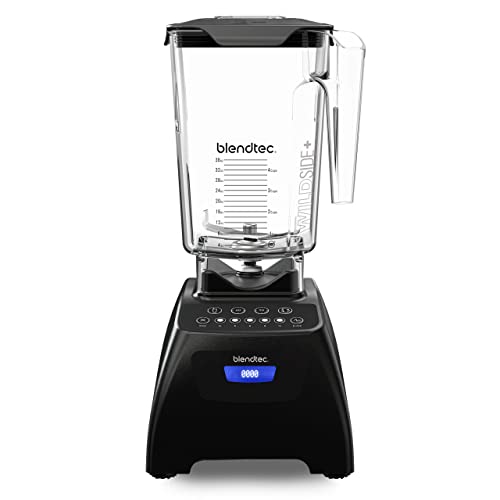
Blendtec Classic 575 Blender
Blunt blades and a square jar rather than a sharp blade and a tamper, which is a genuinely different approach to the same problem.
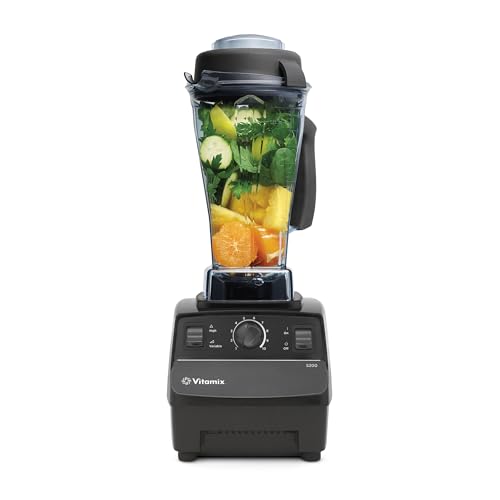
Vitamix 5200 Blender
The old shape, still sold, still excellent. The tall container blends small batches worse and large ones better than the newer low profile jars.

Vitamix Ascent X5 Blender
The current Vitamix flagship. Worth it for smooth nut butters and hot soup from raw, not for smoothies alone.
Prices when last checked. They change often.
Frequently asked questions
Does Blendtec use a tamper like Vitamix?
No. Blendtec blenders ship with no tamper at all. They use blunt blades and a square WildSide jar whose corners are designed to create turbulence and keep ingredients circulating on their own. A Vitamix, by contrast, ships with a tamper you push through the lid by hand to clear stuck food while the motor keeps running.
Which blender is louder?
Both run loud at full speed, since high-powered blending is inherently noisy regardless of brand. Neither brand publishes directly comparable decibel figures for these models, and recurring themes in verified owner reviews describe both as loud enough to hold a conversation over only at lower speeds.
Can either blender make hot soup without a stove?
Yes, both the Vitamix Ascent X3 and the Blendtec Classic 575 include a dedicated soup cycle in their manufacturer documentation, and both can heat raw vegetables to serving temperature purely from blade friction if run long enough. The Vitamix's tamper makes it easier to keep thick vegetables moving into the blade during that process.
What is the real difference between the Ascent X3 and the older Vitamix 5200?
The Ascent X3 uses a SELF-DETECT container system that automatically adjusts blending programs to the container attached, while the 5200 uses a fixed 64 oz tall container and a simple variable speed dial with no automatic detection. Both share the same core motor and blade philosophy, including the tamper.
Is Blendtec's jar shape actually better without a tamper?
It is a genuinely different approach rather than a worse one for smoothies and thinner blends, where the square jar's turbulence keeps food circulating well on its own. For thick blends like nut butter, most reviewers still find a tamper gives more reliable, hands-on control than trusting the jar shape alone.
Which is easier to clean?
Both are designed to self-clean by blending warm water with a drop of dish soap on their highest speed for about thirty seconds to a minute. Neither container is dishwasher safe as a rule, so the practical cleaning routine and the time it takes are close to identical between the two brands.
Sources
Published figures, quoted as published. We do not generate our own time and temperature data.
How we research: we compare manufacturer specifications, owner manuals, published USDA and FSIS figures and recurring themes in verified owner reviews. We do not cook test batches or run instruments, and nothing here is professional food safety advice. When a figure is not published by a source we trust, we say so rather than estimate one.